Spalletti: A Masterclass for Juventus' Youngsters
Juventus' new direction isn't just about acquiring talented young players; it's about transforming them into seasoned professionals ready for the Bianconeri's pressure. Luciano Spalletti is key to this vision, seen not just as a first-team coach but as a mentor guiding the growth of the club's chosen talents.
CEO Giovanni Carnevali highlighted this belief at the Festival dello Sport: "I've seen many coaches; he's capable, he teaches. We need technicians like him. I'd love for you to see a training session." This statement underscores the club's future strategy.
Carnevali outlined a clear path: Juventus cannot compete in international bidding wars for players already valued at €70-80 million. Instead, the club aims to identify and sign players in their developmental stages, entrusting them to a coach who can refine their game. Kerim Alajbegovic exemplifies this approach.
Alajbegovic, arriving at Juventus as a very young player, was expected to undergo a learning year. However, he quickly accelerated his progress. Injuries opened opportunities, which Alajbegovic seized, accumulating five appearances and around 300 minutes on the field for Juventus, even scoring his first goal against NEC in the Europa League.
Spalletti's role goes beyond simply fielding a young player. The critical task is discerning when and where to deploy them, and what responsibilities to assign. Following Alajbegovic's goal, Spalletti praised the Bosnian's improved decision-making and cleaner play. While his talent is undeniable, the focus is on developing consistency and game intelligence.
The distinction between raw talent and a true Juventus player lies in this development. A young player might possess technique, speed, and dribbling ability, but at the highest level, they must learn pressing timing, proper positioning, and when to take risks versus securing possession. Spalletti's expertise is crucial in mastering these details.
Alajbegovic displays evident offensive skills, yet Spalletti is also refining his tactical understanding, aiming for players who can adapt to different match situations. This allows the Bosnian to be utilized in various roles – wide, as an attacking midfielder, or closer to the striker – the goal being to build a versatile player, not just assign a position.
This project extends beyond Alajbegovic. Juventus also invested in Jeff Ekhator during the summer, another young player identified by Carnevali and Massara ahead of competitors. Although injuries have slowed his progress, the club's philosophy remains the same: once fully fit, Spalletti will guide his transformation into a potential regular for Juventus.
This does not mean minutes will be handed out based on age. Spalletti appears uninterested in simply "bloodting" young players. The approach is different: performance dictates play, and this must be demonstrated in every training session. Alajbegovic earned his chances through faster-than-anticipated development.
Here, market strategy and on-field execution converge. Carnevali envisions a Juventus that identifies promising young players before their value becomes prohibitive for Italian football. This strategy hinges on their actual development. Signing an 18-year-old prospect isn't enough; the club must cultivate an environment for improvement, learning from mistakes, and gradually taking on more responsibility.
When Carnevali speaks of future €70-80 million players, he's referring to value derived from performance. Spalletti's work, therefore, has a broader club dimension: developing a young player simultaneously enhances Juventus's technical quality and economic assets.
At Continassa, other young players are under Spalletti's daily observation. The recent international break provided opportunities for him to work even more closely with academy members. Not all will reach the first team, but the objective is to create a seamless link between scouting, the youth sector, and Spalletti's squad.
Coaching Juventus demands results. This pressure makes developing young talent more challenging compared to clubs with less scrutiny. Spalletti must balance the immediate need for victory with nurturing the players who will secure future success.
Alajbegovic's early career serves as an encouraging sign. Juventus anticipated a gradual integration, but his performance on the field accelerated the timeline. Spalletti deserves credit for not hindering this growth, giving Alajbegovic opportunities when ready while consistently emphasizing his ongoing learning curve.
The core principle: a good youth coach doesn't necessarily play everyone. It means identifying readiness, correcting errors, finding the right role, and continuously raising standards, without permanently promoting a player after one good game or condemning them after a poor one.
Carnevali and Massara can identify talent, outmaneuvering top European clubs and structuring financially sound deals. However, transforming that investment into a player requires someone like Spalletti. This is precisely why Juventus sees him as central to their new era.
Alajbegovic is the first major test case. Behind him are other young talents to scout, develop, and elevate. For Juventus to regain its status by acquiring future champions early, having a coach who excels at teaching is as vital as having executives who can discover them.
Spalletti: A Masterclass for Juventus' Youngsters
Luciano Spalletti is central to Juventus' youth development strategy, aiming to mold raw talent like Alajbegovic into top-tier players. Learn about the club's vision for nurturing future stars.
Fresh materials — Juventus News

Palermo's Young Striker Pipitò Continues Scoring Streak for Juventus and Italy U17
Giuseppe Pipitò, a promising talent from Palermo, maintains a strong scoring record with Juventus and the Italy U17 squad. The young player, secured by Juventus until 2029, aims to reach the first team. From Sicily to Juventus, and now donning the Italian U17 jersey, Giuseppe P
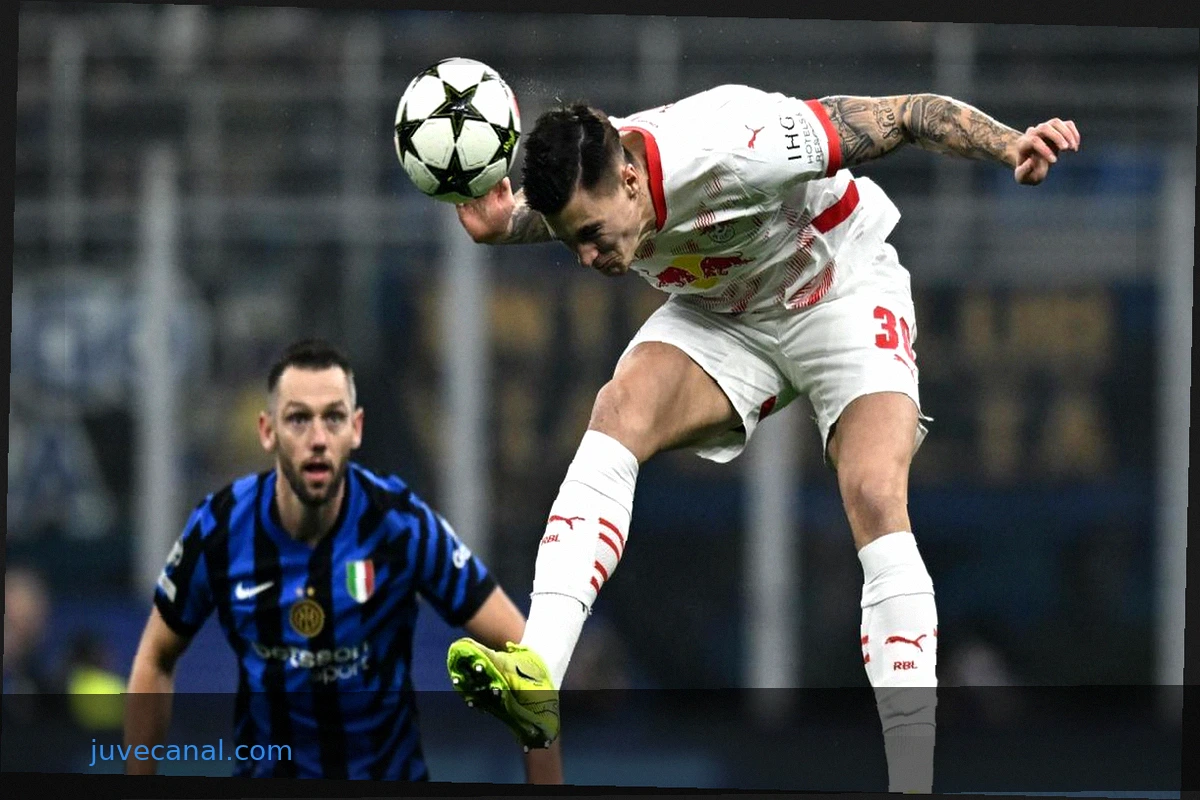
Benjamin Sesko: Juventus's €70-75 Million Striker Target for 2027
Juventus eyes a major offensive upgrade for the upcoming season, with Benjamin Sesko emerging as a key name on the club's shortlist. The Slovenian striker continues to attract interest from top European clubs. As a player born in 2003, Sesko is being considered by the Bianconeri for a
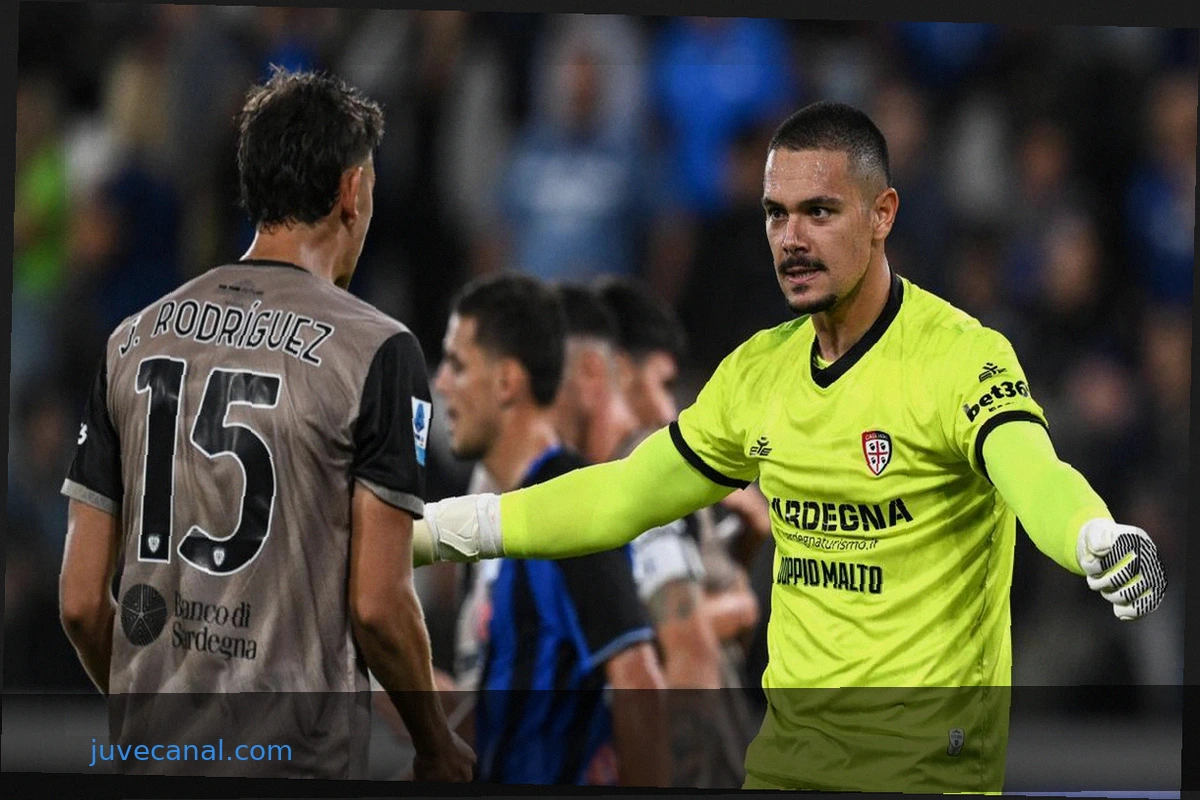
Cagliari's Caprile: Ready and Motivated for Juventus Clash
Elia Caprile shared his excitement on social media after Cagliari's penalty shootout win against Rayo Vallecano in the Trofeo de Vallecas. The goalkeeper posted images from the Madrid match, highlighting his satisfaction with the team's performance. Caprile Celebrates Cagliar
Turkey Crushed by Belgium: 3-0 Loss, Güler Suspended for Italy Match; Çelik Plays 90 Minutes
Turkey's difficult run continues as they lost 3-0 to Belgium in their third Nations League Group A, League 1 fixture. This marks their third straight defeat after losses to France and Italy, leaving the Turkish team with zero points. Belgium Secures 3-0 Victory Over Turkey Belgium
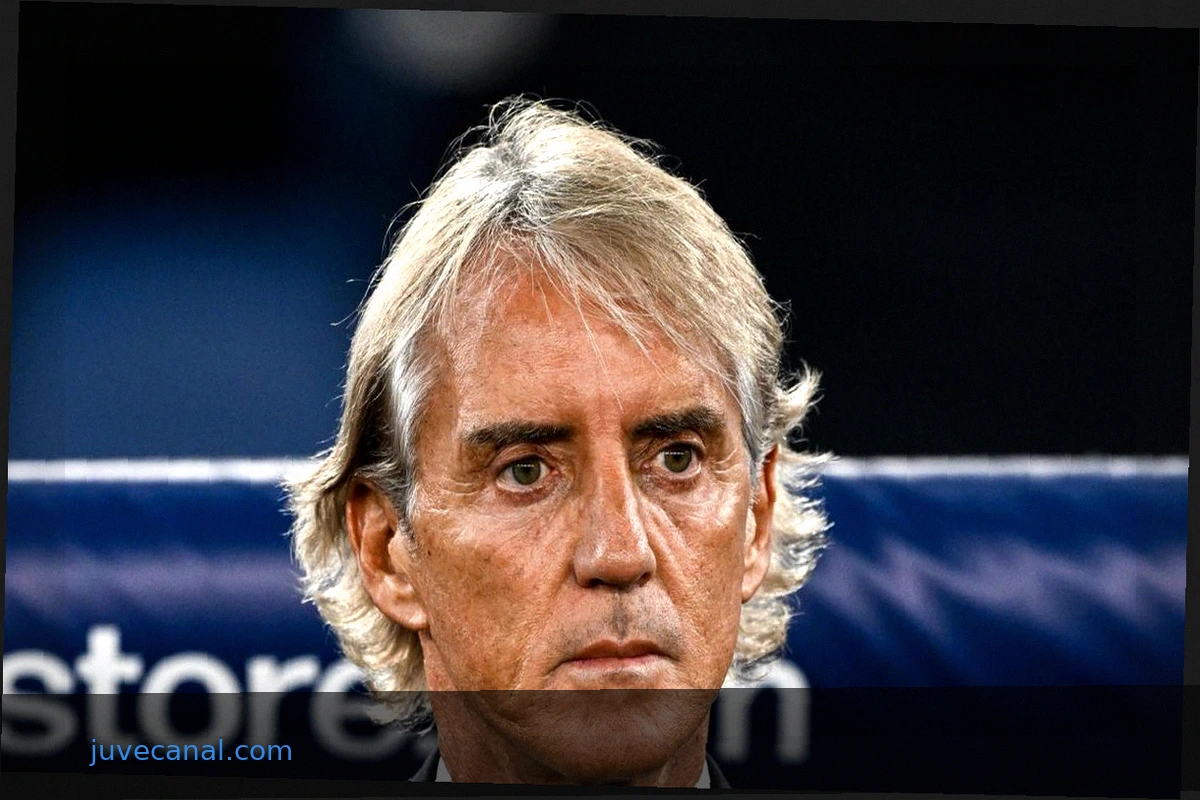
Italy: Mancini "A Step Forward. We Defended and Attacked as a Team"
Roberto Mancini approved of Italy's performance following their Nations League match against France. Speaking to Rai, the head coach emphasized the Azzurri's ability to play as a unit and face a strong opponent without fear. "We knew it would be very tough, but we were good at conceding l
Borsa: Juventus in calo, Stellantis e Ferrari guadagnano
Le principali Borse europee hanno concluso la settimana in rialzo. A Piazza Affari, il Ftse Mib ha guadagnato lo 0,49%, chiudendo a 50.483 punti. Borse europee positive, Milano sale dello 0,49% Francoforte ha registrato il maggiore incremento tra le principali